


From My Radar
Most founders, creators, and execs make the same mistake when they talk about what they do.
They explain.
“We’re a health wearable company.” “I’m a leadership coach.” “We help brands with their digital strategy.”
And then they wonder why no one reaches out. Why the pitch didn’t land. Why the homepage isn’t converting.
Whoop just showed a different way - and it has nothing to do with having a bigger budget or a famous name attached.
The Breakdown
First - if you don’t know Whoop:
It’s a fitness wearable that built a $3.6B company in a market dominated by Apple.
No screen, no apps - just a bracelet on your wrist initially sold to athletes, biohackers, and performance obsessives. That audience knows them.
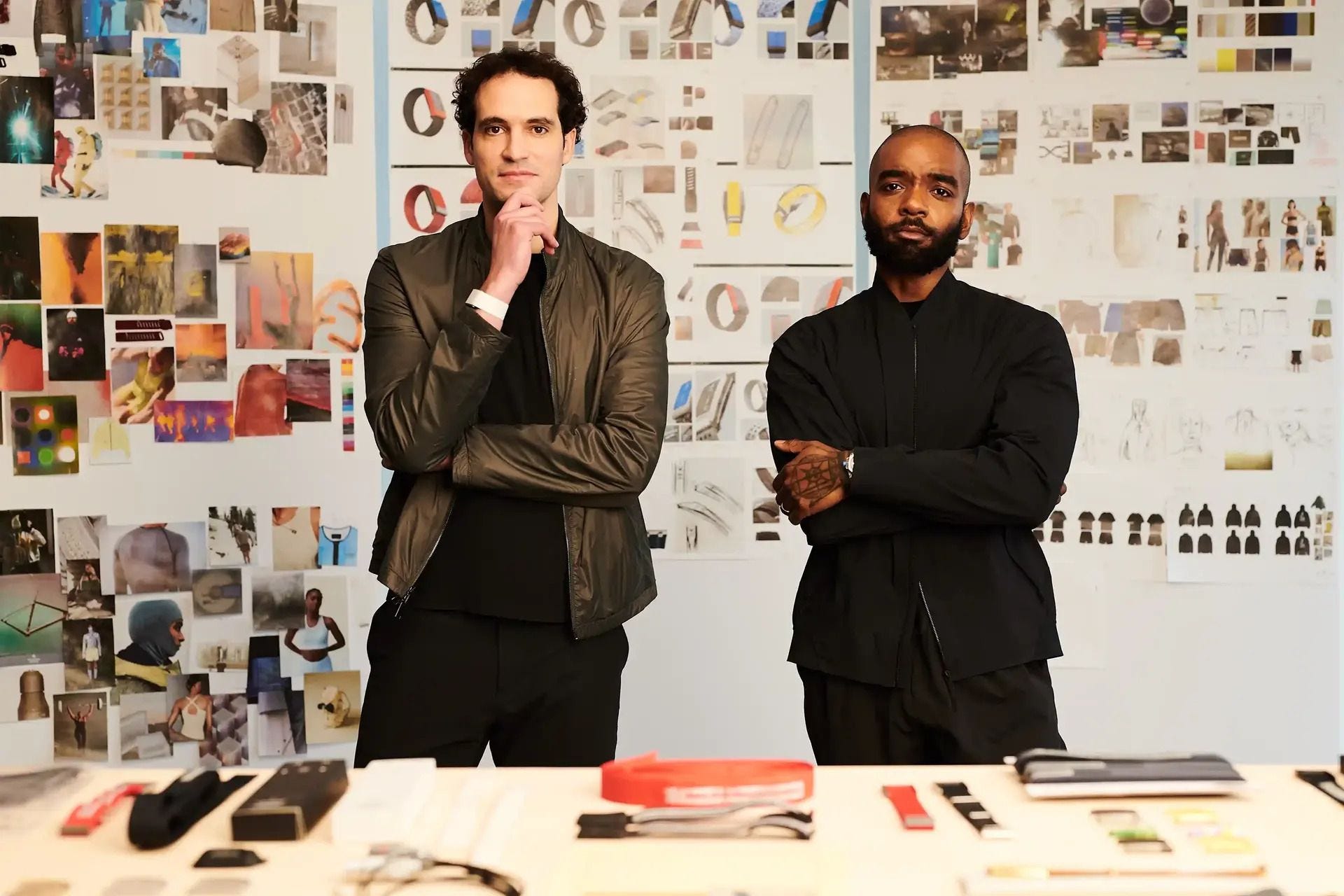
This week, they announced Samuel Ross as Global Creative Director - a multiyear partnership through 2028.
But Samuel Ross isn’t a fitness guy.
He’s a fashion and design world figure - built a fashion streetwear brand: A-Cold-Wall*, was Apple’s first external design consultant, and did art installations across the UK.
His audience cares about aesthetics, craft, and cultural relevance.
On the surface, it looks like a big hire announcement. It’s about telling a new audience: “We’re for you too. And we’re serious about it.”
Underneath, it’s a positioning play.
Why this matters for you:
You might not be expanding into a new market. But the same principle applies whether you’re:
Finding your first audience - Who specifically are you signaling to? What would make them feel like you’re serious?
Re-engaging an audience that’s tuned out - What commitment would force them to see you differently?
Expanding to a new segment - Who’s adjacent to your current audience, and what would signal that you understand them?
The announcement reveals the strategy.
Whoop used Ross to answer: “Who are we becoming, and who do we want to notice?”
How Whoop Made The Market React
Here’s where most people would just announce the hire and move on.
Most companies would’ve written a press release. Whoop built a case.
They answered every question the market was already asking - before anyone had to ask.
What the market wonders
What Whoop answered
“Is this real or just a PR stunt?”
“It’s a multi-year commitment through 2028.”
“Does this designer actually believe in them?”
“He’s an investor, not a consultant.”
“Why should I care about a wearable company hiring a designer?”
“We’re funding his British Artist Grant. This is bigger than product. It’s our new commitment to design as lifestyle and of importance.”
“Is leadership actually behind this?”
CEO on camera, personally explaining the why and interfacing with Ross.
The insight:
Most positioning fails because it explains.
“Here’s what we do. Here’s who we serve. Here’s our process.”
But explaining doesn’t make anyone care.
Explaining assumes the market is already interested.
Whoop assumed the opposite: The market is skeptical. What are they actually wondering? Answer that first.
That’s the difference between explaining what you do and positioning yourself so people care.
The 5 Types of Market Skepticism
Before you can answer what the market is wondering, you need to know which type of skepticism you’re up against.
Every market has doubt. But the doubt isn’t generic - it falls into patterns.
Here’s what I see most often:
1. Legitimacy skepticism “Is this real or a stunt?”
The market isn’t sure you’re serious. They’ve seen too many announcements that went nowhere. They’re waiting for proof this isn’t performative.
How Whoop answered it: Multi-year commitment through 2028. Not a campaign → a direction.
2. Commitment skepticism “Are they actually in this or just testing?”
This is different from legitimacy. They might believe you’re real, but they’re not sure you’re invested. They want to know you have skin in the game.
How Whoop answered it: Ross isn’t a consultant → he’s an investor. He’s not hired help. He’s in. Signaling to the market → we’re investing in lifestyle & design.
3. Relevance skepticism “Is this for someone like me?”
They see you, but they’re not sure you see them. Nothing in your positioning makes them feel recognized.
How Whoop answered it: By choosing Ross, they signaled to a specific new audience → design-conscious buyers - “we get you.”
4. Differentiation skepticism “What makes them different from everyone else who says the same thing?”
They’ve heard your category/product/pitch/sound/tone before. “Leadership coach.” “Growth agency.” “Productivity tool.” They’re waiting for you to say something that doesn’t sound like everyone else.
How Whoop answered it: Funding the British Artist Grant. This is bigger than product. No other wearable company is doing this.
5. Credibility skepticism “Have they actually done this before?”
They want receipts. Not claims → proof. Especially if you’re entering new territory or asking for premium prices.
How Whoop answered it: CEO on camera, interviewing Samuel, talking through his receipts. Three British Fashion Awards, his design philosophy, working with Beats by Dre. Discussing how Ross has worn WHOOP for five years. He’s not a hired name. He’s a user who became a partner.
Your Diagnostic:
Which skepticism are you facing right now?
Symptom
Most likely culprit
Also check
Engage but doesn’t buy
Relevance
Differentiation
Ignore entirely
Differentiation
Legitimacy, Credibility
“Interesting” but doesn’t buy
Commitment
Relevance
These aren’t clean buckets - you might be facing two at once.
Start with the one that stings most.
How To Use This
Whether you’re a founder pitching investors, a creator building an audience, or an exec trying to get buy-in - the framework is the same.
Step 1: Get clear on who you’re trying to reach.
Before you worry about what to say, get specific about who needs to hear it.
Are you trying to reach your first audience and establish credibility?
Are you re-engaging people who’ve gone quiet on you?
Are you expanding to a new segment that doesn’t know you yet?
Each scenario requires a different answer - but they all require you to name the audience first.
Step 2: Write down what that audience is probably wondering about you.
Not what you want them to know. What they’re actually skeptical about.
If you’re a founder:
“Is this just another [category] company?”
“Why would I choose them over the obvious alternatives?”
“Is the founder serious or is this a side project?”
If you’re a creator/artist:
“Why should I follow this person over the thousands of others?”
“Is this a serious body of work or a side project?”
“Is this someone with real vision or just chasing trends?”
“Is this for someone like me?”
If you’re an exec or consultant:
“What makes them different from everyone else who says the same thing?”
“Have they actually done this before?”
“Why should I pay a premium for this?”
Step 3: Answer those questions directly - before they ask.
If they’re wondering...
Your answer might look like this…
“Is this real?”
State a timeline or commitment. “I’m going all-in on this for the next 2 years.”
“Do you actually believe this?”
Show your stake. What you’re risking. What did you turn down to do this?
“Why should I care?”
Connect it to something bigger than your product or service.
“Is this for me?”
Name their specific situation. Make them feel seen in the first 8 seconds.
Step 4: Put the answers where they’ll see them first.
Your homepage. Your bio. Your pitch deck. Your first slide. Your email signature.
Not buried in an FAQ. Not saved for the sales call. Not on slide 14.
(And also, please don’t have 14 slides).
The Mistake
Answering questions no one is asking.
“We use a proprietary methodology.” (No one asked.) “I’ve been doing this for 15 years.” (No one asked.) “We’re passionate about helping founders/creators/leaders succeed.” (No one asked.)
If you’re answering something they weren’t wondering, you’re explaining. Not positioning.
The flip:
Those same facts can work - if they’re answering the right skepticism.
If they’re wondering...
Then this works
“Have they actually done this?” (credibility)
“15 years. 200+ clients. Here’s what I’ve learned.”
“What makes them different?” (differentiation)
“Our methodology is different — here’s the specific thing we do that no one else does.”
“Is this legit?” (legitimacy)
“We’re not going anywhere. Here’s our commitment.”
But if they’re wondering “Is this for me?” and you answer with “15 years of experience”” you’ve answered a question they didn’t ask.
The rule: Social proof answers credibility skepticism. It doesn’t answer relevance or differentiation. Know which one you’re facing first.
Can’t tell which one you’re facing? Bring it to War Room #001 (January 29th). We’ll diagnose it live.
What Else I’m Seeing
📖 READING: “Click Here: The Art and Science of Digital Marketing and Advertising” by Alex Shultz, Meta CMO.
What stuck with me:
On finding the problem (Rule 1): Your “North Star” metric should be something your customer does, not something you measure just bc you can. Schultz built Meta’s growth around “monthly active users” - not impressions, not downloads. The metric that matters is the one that proves someone got value from you. Find your value point.
On the little solution (Rule 2): Most businesses over-invest in acquisition and under-invest in activation. Getting someone in the door means nothing if they never experience what keeps them there. The gap between “signed up” and “actually used it” is where most growth dies. Your little solution has to be experienced fast.
💰 STRUCTURE I’M NOTICING: Netflix’s big entrance into podcasting
Netflix doubled down on video podcasts with deals with Spotify, iHeartMedia, and Barstool - bringing over 30 shows to the platform starting early 2026. TechCrunch
Netflix co-CEO Ted Sarandos said the lines between podcasts and talk shows are “getting pretty blurry,” and they want to work with great creators across all media. Watch this space. What’s on Netflix
The bigger signal: This isn’t about Netflix wanting podcasts. It’s confirmation that video is eating audio. YouTube is already the #1 podcast platform. Spotify went all-in on video. Now Netflix.
The production bar is higher, but that leaves room to counterposition and get down and dirty.
🎧 LISTENING TO: Nick Huber on My First Million - Rich People Do One Thing
Great leaders hold two things: where you’re going and what’s actually working.
You can’t outsource knowing who you’re for and why they choose you.
They create space to zoom 10,000 ft out and 5 levels deep — that’s where the clarity lives.
🛠 TOOLS: Loom for announcement visibility
Early take: A 90-second Loom from the founder explaining the “why” behind an announcement outperforms a press release every time. Low production value can actually be a feature - it signals authenticity over polish.
Your Move
By EOD Monday, do this:
